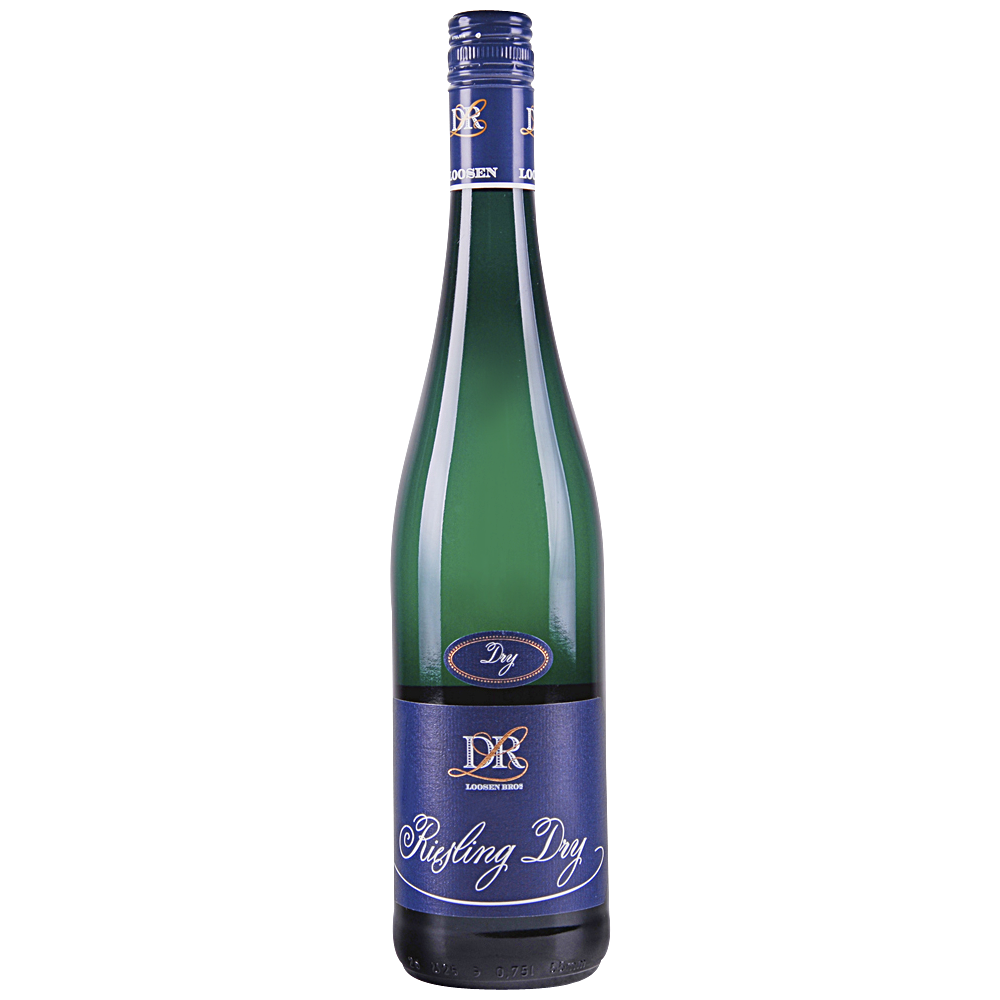
Dry Riesling typically shows high acidity, light-to-medium body, and flavors of lime, green apple, citrus peel, white peach, blossom, and pronounced mineral notes such as slate or petrol.
Core Tasting Profile
Aromas:
Lime, green apple, lemon pith, grapefruit, blossom, and sometimes herbal notes.
Minerality:
Slate, wet stone, or petrol (a classic Riesling marker, especially with age).
Fruit Notes:
White peach, apricot, and occasionally exotic fruit depending on region and ripeness.
Structure:
High acidity, light to medium body, low tannin, and a long, citrus‑mineral finish. Regional Style Differences
Alsace (France):
Precise, mineral, fuller-bodied, citrus and stone fruit, long dry finish.
Germany (Mosel, Rheingau, Pfalz):
Lime, green apple, slate minerality, high acidity; petrol notes develop with age.
Australia (Clare & Eden Valley):
Lime zest, green apple, razor‑sharp acidity, pronounced minerality.
Serve at: 8–10°C to preserve freshness and aromatics.
Best with: Pork, fish, cabbage/sauerkraut, paprika dishes, r
Dry Riesling typically shows high acidity, light-to-medium body, and flavors of lime, green apple, citrus peel, white peach, blossom, and pronounced mineral notes such as slate or petrol.
Core Tasting Profile
Aromas:
Lime, green apple, lemon pith, grapefruit, blossom, and sometimes herbal notes.
Minerality:
Slate, wet stone, or petrol (a classic Riesling marker, especially with aging
Fruit Notes:
White peach, apricot, and occasionally exotic fruit depending on region and ripeness.
Structure:
High acidity, light to medium body, low tannin, and a long, citrus‑mineral finish.
Regional Style Differences
Alsace (France):
Precise, mineral, fuller-bodied, citrus and stone fruit, long dry finish.
Germany (Mosel, Rheingau, Pfalz):
Lime, green apple, slate minerality, high acidity; petrol notes develop with age.
Australia (Clare & Eden Valley):
Lime zest, green apple, razor‑sharp acidity, pronounced minerality.